A literary agent sells your book for you. More specifically, they know all the editors at all the publishing houses, big and small, who want to publish a book like yours. They maintain those relationships so that when the perfect book (yours!) comes up, they are a trusted source.
Agents are also up to date on the direction of the market, and they'll advise you on what to write next, or how to best revise your work to receive the right audience.
They'll also negotiate your deal, usually getting you a lot more money than you could have gotten on your own. An agent is your advocate, the person who is on your side. Most of the big publishing houses won't take your submission without an agent, and even smaller houses prefer agented manuscripts.
Now. How do you go about picking one?
Start with the big resources:
Query Tracker
Publisher's Marketplace
Agent Query
Compile a list of agents who are active, accepting submissions, and represent your category and genre. This list will be very long. Hundreds of names. Now you'll narrow them down based on your own personal criteria. Some of the more common criteria:
- Have they made a sale to a publishing house you know and respect in the last year?
- Are their current clients experiencing success?
- Do they respond in a reasonable amount of time? Even after you've been signed?
- Are they reputable?
Those answers can be found on sites like Preditors and Editors as well as the Absolute Write Water Cooler forums. Just google "absolute write <agent name>" and you'll be taken right to the page where everybody else is talking about this agent.
Once you narrow the list down once, you can go a little further based on your personal preferences. Some things to consider:
- How tech-savvy are they? Do they expect you to be the same?
- How communicative are they?
- Her personable are they?
- Do their reading tastes mirror your own?
To find this info, you'll need to dig deeper. Twitter, blogs, personal websites (most agents will maintain a blog or tumblr in addition to their agency's official website). Find interviews they've given. Most agents will get featured on Writer's Digest or even on smaller blogs and websites.
By this point, depending on how picky you are, you'll have a list that's somewhere between ten and a hundred names long, and it's time to start querying :)

Showing posts with label Gina Denny. Show all posts
Showing posts with label Gina Denny. Show all posts
Wednesday, November 27, 2013

Tuesday, November 26, 2013
Queries: A Do and Don't List
When writing a query letter, DO:
- Use the same voice and tone of your novel. A funny, quirky query sets up expectations of a funny, quirky novel. Dark query, dark novel. Look at your adjectives and verbs in particular. They should show you the tone of your story. Try giving your query to someone who hasn't read your book and ask them to tell you what they expect based on the blurb.
- World build just a little. Enough that we understand it's a fantasy world or a contemporary one, but we don't need names of all the places, especially if they're weird.
- Use specific language. Look at this example:
- Clearly state your genre and category using universally accepted terminology. You didn't write a YA/Adult crossover romantic suspense horror fantasy. No. You didn't. Define your work.
When writing a query letter, DON'T:
- Give away the ending. The letter is supposed to entice people to read more. Find the climax of your story, and stop just before that point in telling the story in your query.
- Ask rhetorical questions. It's too easy for a busy agent to answer them flippantly, and your query then gets ignored.
- Use outliers as your comp titles. Do this exercise: List the first ten books you can think of in your genre and category. Ask a reader who is not a writer to do the same. Don't use any of those books. Twilight, Harry Potter, Eragon, Hunger Games, The Help, etc. Any of those books that "everybody" has read, any books that people say "I don't usually read, but I loved that book." are not good comp titles. They're too exceptional - the rules don't apply to them. The rules apply to you.
- Make predictions about your own success. This goes both ways. Don't predict that you'll be a mega-bestselling-genius, and don't predict that you'll be a bargain-bucket-dwelling-loser. Just don't mention it. Let your writing sell itself.
- Insult anybody. Ever. Not the agent, not yourself, not other writers. Never.
- LIE. Never. Not about anything. Don't lie about how many sales you've had or where you've published or the importance of your role in writing organizations. Don't lie about where you went to school and who you studied with. Don't lie about meeting an agent at a convention, don't lie about awards you've been given, or places you've been published. Don't lie. There are plenty of first time authors who get published without ever having any credentials.
- Use the same voice and tone of your novel. A funny, quirky query sets up expectations of a funny, quirky novel. Dark query, dark novel. Look at your adjectives and verbs in particular. They should show you the tone of your story. Try giving your query to someone who hasn't read your book and ask them to tell you what they expect based on the blurb.
- World build just a little. Enough that we understand it's a fantasy world or a contemporary one, but we don't need names of all the places, especially if they're weird.
- Use specific language. Look at this example:
When <character name> learns of an evil overlord threatening the safety of his world, he is determined to defeat him. After multiple narrows escapes, <character> learns of a prophecy that tells him he is The Chosen One and is the only person who can defeat the Dark Lord.Along the way, <character> meets some new friends, including a very pretty girl, and is sorely tempted by a mysteriously powerful object. Many of <character>’s friends fall or betray him, including his mentor.Finally, <character> faces the Dark Lord, the fate of everyone resting on his ill-prepared shoulders. Will he manage to escape yet again?What story is that? Try guessing the comments. I bet you'll be right, since it describes about a hundred different stories. Vague descriptions are useless.
- Clearly state your genre and category using universally accepted terminology. You didn't write a YA/Adult crossover romantic suspense horror fantasy. No. You didn't. Define your work.
When writing a query letter, DON'T:
- Give away the ending. The letter is supposed to entice people to read more. Find the climax of your story, and stop just before that point in telling the story in your query.
- Ask rhetorical questions. It's too easy for a busy agent to answer them flippantly, and your query then gets ignored.
- Use outliers as your comp titles. Do this exercise: List the first ten books you can think of in your genre and category. Ask a reader who is not a writer to do the same. Don't use any of those books. Twilight, Harry Potter, Eragon, Hunger Games, The Help, etc. Any of those books that "everybody" has read, any books that people say "I don't usually read, but I loved that book." are not good comp titles. They're too exceptional - the rules don't apply to them. The rules apply to you.
- Make predictions about your own success. This goes both ways. Don't predict that you'll be a mega-bestselling-genius, and don't predict that you'll be a bargain-bucket-dwelling-loser. Just don't mention it. Let your writing sell itself.
- Insult anybody. Ever. Not the agent, not yourself, not other writers. Never.
- LIE. Never. Not about anything. Don't lie about how many sales you've had or where you've published or the importance of your role in writing organizations. Don't lie about where you went to school and who you studied with. Don't lie about meeting an agent at a convention, don't lie about awards you've been given, or places you've been published. Don't lie. There are plenty of first time authors who get published without ever having any credentials.
Monday, November 25, 2013
Query Letters
In order to get your book published, you need to write a query letter. You'll either write this to an agent or to a submissions editor, depending on the publishing path you're taking.
A query letter is a brief letter (less than one page long) that does the following things:
1. It introduces your book in a way that makes it sound enticing to read.
2. It demonstrates your ability to write coherently.
3. It introduces you as an author.
4. It provides agents and editors with a means of contacting you.
That's it. It does NOT:
1. Make predictions about how well a book will sell.
2. Insult anybody, ever.
3. Tell all about your life and your passions.
4. Do anything except for the four things listed above.
There are a few different formats on query letters, and every agent and editor will have a different bit of advice for you, but this is basically how it goes:
And that's it. That's the basics of it. Write the query letter first, and then go diving into some of the following resources to help you fix it. Why do it in that order? Because you can't fix something that isn't there.
Agent Query - How to Write a Good Query
Query Shark - A real, live agent takes real, live queries and tells you why they suck and how to fix them. Read the archives. This is why you need to have your letter written first. As you dig through the archives, you'll see things that you did. And you'll fix them, one by one. And then you'll do more things wrong. And you'll fix them.
The Girl with the Green Pen - a veteran slushpile reader will critique your query for free. Three times. And then if you pay her only $15, she'll fix it as many times as you need. Even a hundred. She's legit, too. I wrote a post on MMW about Taryn's Query Day: She read hundreds of query letters, critiqued them all, and tweeted the best bits of advice all day long.
Kristin Nelson also wrote a fantastic post about query letters.
A query letter is a brief letter (less than one page long) that does the following things:
1. It introduces your book in a way that makes it sound enticing to read.
2. It demonstrates your ability to write coherently.
3. It introduces you as an author.
4. It provides agents and editors with a means of contacting you.
That's it. It does NOT:
1. Make predictions about how well a book will sell.
2. Insult anybody, ever.
3. Tell all about your life and your passions.
4. Do anything except for the four things listed above.
There are a few different formats on query letters, and every agent and editor will have a different bit of advice for you, but this is basically how it goes:
Dear Agent's First and Last Name,
This is a brief blurb about my book. It is told in third person, present tense. It doesn't name too many characters or use too much world-building jargon, and it is clear and concise. It sounds a lot like the blurb on the back cover of a novel. In fact, many back-cover-blurbs have been lifted directly from query letters. This blurb should also match the tone and voice of your novel.
The blurb can be one or two paragraphs, but probably not three or more. You will introduce your main character (or both main characters if you're writing romance) and what their main goal and conflict is. You will not reveal the ending, but you will also not leave it with a rhetorical question. You will write in a normal font, of a normal size. You will use standard industry formatting.
This next paragraph will be about the book. The title will be in ALL CAPS. You will list the category, the genre, and the word count (rounded off to the nearest thousand and written like this: 95,000 words). You might mention that it's part of a series, but always emphasize that this title stands alone, regardless. If your agent or editor of choice specifically asks, this would be a good place to list comp titles.
The very last paragraph is about you. Your writing credentials, starting with the most relevant first. If you don't have writing credentials, you can either skip this or talk about your writing platform or social media presence, but do so briefly. There is not one agent who cares more about your twitter followers than they do about your book.
Thank you for your time and consideration (this is your only option here, do not vary from this),
Your First and Last Name
Phone
Website/Blog
And that's it. That's the basics of it. Write the query letter first, and then go diving into some of the following resources to help you fix it. Why do it in that order? Because you can't fix something that isn't there.
Agent Query - How to Write a Good Query
Query Shark - A real, live agent takes real, live queries and tells you why they suck and how to fix them. Read the archives. This is why you need to have your letter written first. As you dig through the archives, you'll see things that you did. And you'll fix them, one by one. And then you'll do more things wrong. And you'll fix them.
The Girl with the Green Pen - a veteran slushpile reader will critique your query for free. Three times. And then if you pay her only $15, she'll fix it as many times as you need. Even a hundred. She's legit, too. I wrote a post on MMW about Taryn's Query Day: She read hundreds of query letters, critiqued them all, and tweeted the best bits of advice all day long.
Kristin Nelson also wrote a fantastic post about query letters.
Saturday, November 23, 2013
CPs and Betas - Why You Need Them.
You hear these terms: "CP" and "Beta" tossed around a lot, and if you're new to the writing world, they can be confusing. Let's define them first, then talk about how to find good ones.
CP = Critique Partner
This person is sometimes referred to as an "alpha reader." They read your work in the early drafts, they advise you on making big, sweeping changes. They are your support system when you need to cry, when you need to celebrate, and when you need to brainstorm.
My CPs get regular emails, asking questions about "Wait. What if I changed this, is that crazy?" By the time the book is ready to query, they've read it probably three or four times and they deserve all the love in the world. They need to think like a writer.
(Full disclosure: One of my CPs is not a writer - she's just the most perceptive and honest reader who has more patience than Mother Teresa)
This is also a two-way street. I read their stuff with the same amount of honesty, and I want to see them succeed as much as I want to succeed . These are the people who will read all my books, and I will read all of theirs.
Beta Reader
This person will read a near-ready version of your book. They're usually part of your target demographic (i.e. - if you write middle grade, at least some of your beta readers need to be twelve years old, if you write young adult, you'll need to find actual, living teenagers to read your book). If they aren't your target demographic, then they read extensively in your genre and category.
Beta readers will make inline notes, checking for typos and such, but that's not really their job. From your betas, you'll basically get a thumbs-up or a thumbs-down on the big stuff. Is the book any good? Do they like the characters? Why or why not? Does the world make sense? Things like that.
You'll still make at least one round of edits after your betas finish reading, and I know more than one author who has gone back and done full rewrites after the beta round.
Where do you find them?
They are all writers or readers, so you need to be places where writers and readers congregate. On the internet, that means twitter. In real life, it's writing groups and book clubs.
Twitter
Try people you talk to often, or just tweet "I need a CP/Beta for a <category> <genre> that's about <# of words>. Any takers?" People will answer. If they don't, go follow more people, get to know more people, and try again.
CP Seek
CP Seek is a website where you can find people who want need critique partners and are willing to trade manuscripts. I found two of my very favorite readers, who write some of my most very favorite kinds of books, on CP Seek. I also found three who didn't work out so great - not anybody's fault, we just weren't a good fit for each other.
How do you know if you're a good fit?
Ideally, you'll have similar reading tastes. If I met somebody who hated Harry Potter, loves to read Tolstoy, and just doesn't understand Star Wars... we are not going to be a good fit. And that's okay. There's a CP out there for everyone, and you don't need someone who is going to accidentally insult your work simply because it's not their style.
You should also read pretty heavily in each other's genres and categories. I write adult fantasy, but I also read a lot of YA science fiction and fantasy, so I understand the differences and why something works or doesn't in YA. I don't read MG well, and I don't do literary fiction. At all.
One reader got a hole of my manuscript and wanted me to slash 25-30K, basically cutting everything that wasn't main plot or dialog, and even that needed to be shortened in her opinion. She didn't read adult fantasy (the MS in question was under 100K, and well within industry standards for the genre and category), she read YA contemporary, which is very dialog heavy, and short on word count by comparison.
She's a very good writer. She's a good reader. For someone else. Don't put yourself in that position.
CP = Critique Partner
This person is sometimes referred to as an "alpha reader." They read your work in the early drafts, they advise you on making big, sweeping changes. They are your support system when you need to cry, when you need to celebrate, and when you need to brainstorm.
My CPs get regular emails, asking questions about "Wait. What if I changed this, is that crazy?" By the time the book is ready to query, they've read it probably three or four times and they deserve all the love in the world. They need to think like a writer.
(Full disclosure: One of my CPs is not a writer - she's just the most perceptive and honest reader who has more patience than Mother Teresa)
This is also a two-way street. I read their stuff with the same amount of honesty, and I want to see them succeed as much as I want to succeed . These are the people who will read all my books, and I will read all of theirs.
Beta Reader
This person will read a near-ready version of your book. They're usually part of your target demographic (i.e. - if you write middle grade, at least some of your beta readers need to be twelve years old, if you write young adult, you'll need to find actual, living teenagers to read your book). If they aren't your target demographic, then they read extensively in your genre and category.
Beta readers will make inline notes, checking for typos and such, but that's not really their job. From your betas, you'll basically get a thumbs-up or a thumbs-down on the big stuff. Is the book any good? Do they like the characters? Why or why not? Does the world make sense? Things like that.
You'll still make at least one round of edits after your betas finish reading, and I know more than one author who has gone back and done full rewrites after the beta round.
Where do you find them?
They are all writers or readers, so you need to be places where writers and readers congregate. On the internet, that means twitter. In real life, it's writing groups and book clubs.
Try people you talk to often, or just tweet "I need a CP/Beta for a <category> <genre> that's about <# of words>. Any takers?" People will answer. If they don't, go follow more people, get to know more people, and try again.
CP Seek
CP Seek is a website where you can find people who want need critique partners and are willing to trade manuscripts. I found two of my very favorite readers, who write some of my most very favorite kinds of books, on CP Seek. I also found three who didn't work out so great - not anybody's fault, we just weren't a good fit for each other.
How do you know if you're a good fit?
Ideally, you'll have similar reading tastes. If I met somebody who hated Harry Potter, loves to read Tolstoy, and just doesn't understand Star Wars... we are not going to be a good fit. And that's okay. There's a CP out there for everyone, and you don't need someone who is going to accidentally insult your work simply because it's not their style.
You should also read pretty heavily in each other's genres and categories. I write adult fantasy, but I also read a lot of YA science fiction and fantasy, so I understand the differences and why something works or doesn't in YA. I don't read MG well, and I don't do literary fiction. At all.
One reader got a hole of my manuscript and wanted me to slash 25-30K, basically cutting everything that wasn't main plot or dialog, and even that needed to be shortened in her opinion. She didn't read adult fantasy (the MS in question was under 100K, and well within industry standards for the genre and category), she read YA contemporary, which is very dialog heavy, and short on word count by comparison.
She's a very good writer. She's a good reader. For someone else. Don't put yourself in that position.
Friday, November 22, 2013
Plotting Tips
This is a compilation of the best plotting tips I can find out there on the web.
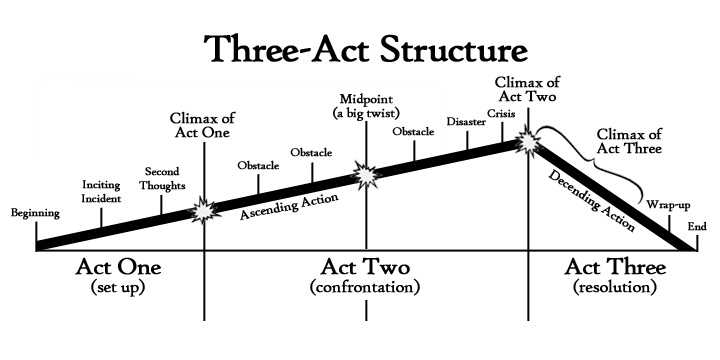
This is the idea that you start with something simple: a one-sentence description of your book. Then you expand on it: a single paragraph describing your story. Then you pull apart each one of those sentences and turn them into their own paragraphs, and so on and so forth.
 |
| Expound on each point, and then expound on those - a snowflake |
This is most often attributed to Dan Wells and is the idea that every story really only needs seven things: A hook, two plot turns, two "pinches", a midpoint, and a resolution. This one is particularly useful if you write character-driven stories, as the hook and the resolution are mirror-images of each other, and that's much easier to do with a character arc than with an actual physical story.
His whole powerpoint for this presentation is looooooong, but some of the summarizing blog posts are easier to get through, and his video presentation of it is excellent.
This is the basic, classic method of plotting a novel. Three acts, one main arc of the story.
This follows the "Happily Ever After" format and pacing that makes Hollywood movies so successful. This is particularly useful with middle grade and young adult fiction, which both tend to be a little shorter and faster-paced (thus lining up with a movie format nicely).
If none of those work for you, Chuck Wendig (if you aren't reading his blog on a regular basis, you need to) wrote an excellent post on twenty-five plotting methods.
Thursday, November 21, 2013
In Defense of Pantsing
I try to be a good plotter, I really do.
But it just never works out that way.
Pantsing, if you don't already know, is a writerly term for "flying by the seat of your pants" while writing.
Some writers just sit down and do a stream-of-consciousness thing until they find a story or a character.
Others (like me) start with a vague idea of where the story needs to go but have no actual idea on how that's going to happen. I tried plotting for my NaNoWriMo effort this year, and I used Dan Wells' 7 Point Plot System. I really thought that was enough.
 Yeah. Ten gets it.
It's not enough. 7 Points did give me an emotional framework for the novel, and that helped tremendously, but it still wasn't enough for the physical plot of the thing. And so I winged it. (wung it?)
The first scene I had planned turned out to be really dull and so I skipped forward and started writing someplace else. About two-thirds of the way through the book, I said, "OOH! I need to go back to the beginning and add in a scene about THIS." I went back... and that was basically how I started. It was different than my "plan", but in the end it was better for the characters and better for the story. I just didn't know it yet.
The upside of pantsing:
You get to meet your story and fall in love with your characters as if you're the reader.
The downside:
You usually have a hot mess to deal with and you'll do a lot more work in revisions than a plotter.
The choice is yours.
But it just never works out that way.
Pantsing, if you don't already know, is a writerly term for "flying by the seat of your pants" while writing.
Some writers just sit down and do a stream-of-consciousness thing until they find a story or a character.
Others (like me) start with a vague idea of where the story needs to go but have no actual idea on how that's going to happen. I tried plotting for my NaNoWriMo effort this year, and I used Dan Wells' 7 Point Plot System. I really thought that was enough.
It's not enough. 7 Points did give me an emotional framework for the novel, and that helped tremendously, but it still wasn't enough for the physical plot of the thing. And so I winged it. (wung it?)
The first scene I had planned turned out to be really dull and so I skipped forward and started writing someplace else. About two-thirds of the way through the book, I said, "OOH! I need to go back to the beginning and add in a scene about THIS." I went back... and that was basically how I started. It was different than my "plan", but in the end it was better for the characters and better for the story. I just didn't know it yet.
The upside of pantsing:
You get to meet your story and fall in love with your characters as if you're the reader.
The downside:
You usually have a hot mess to deal with and you'll do a lot more work in revisions than a plotter.
The choice is yours.
Monday, August 26, 2013
7 Steps to Writing a Query Letter
A query letter is a letter sent to an agent or publisher, asking them to take a look at your work. There's a TON of info out there on writing queries, so I'm going to be giving you a lot of links today. Be prepared.
1. Your book must be finished. If you are writing fiction, your book must be finished, revised, read by others, revised again, and again, and again before you even think about writing a query. If you look at the traditional publishing process, you'll see that after the querying process, everyone will expect your book to be done. It needs to be done. You do NOT want to blow off an agent by saying, "Thank you for your interest, but I'll need six to eight more months to get this finished. KThanxBai!"
If you are writing non-fiction, you'll need a solid outline, serious source material, a built-in platform, and your first three to five chapters completed and revised before you write a proposal. We'll talk more about proposals later, but let's just call them non-fiction query equivalents for now.
If you're writing memoir, even though it is non-fiction, you will need to treat it like a novel. Unless you're, like, Jon Bon Jovi or something. But us mere mortals need to prove ourselves before an agent will take a bite.

2. Understand your genre and category. No, you do not have a genre-bending stories for all ages. Precisely one person has done that in the history of forever and she was the first billionaire author, ever. You're not her. You won't be her. If your goal is to be her, you need to spend a lot of time talking to published authors who are not her. Again, us mere mortals have to play by the rules. You need to know who you're selling your book to, and you need to know why. You need to understand what agents and publishers will be interested in your work, and you need to know how to talk about your work intelligently.
3. Read other query letters. Galleycat has a collection of 23 letters that worked, across different genres and categories. Query Shark has archives of query letters that made the cut. Writer's Digest has a whole blog tag dedicated to query success stories, with commentary from agents about why those letters worked.
4. Read the techniques of query letter writing. Agent Query has a great post about the basics of query letters. Nathan Bransford has a great post on how to write the letter, mad lib style. (note: please do not leave your letter in your mad lib format, this is a jumping-off point) The Query Shark has tons of archives showing the evolution of query letters as they are revised, moving from garbage to gold.

5. Write your query letter. There's really no way to do this, other than to do it. Get it down on paper (or screen). You can't fix it until it exists.
6. Send out to other people. Send it to people who have read your novel (it's finished, remember?) and to people who have not read your novel. Let them make notes and tear it apart. After, ask the people who haven't read your book to answer a couple questions.
7. Revise. Repeat. If you dig through those Query Shark archives (seriously, go read them), you'll see that the first draft of a query letter usually looks nothing like the one that finally got a bite from an agent. This is not a light revision, slight alteration of word choice and spell check. No. This is like revising your novel. Hack, cut, expand, revise, change, delete, move. (If you didn't do that to your novel, you're not ready to query.)
There you have it. Seven steps to writing a query letter. Questions? Comments? Concerns?
1. Your book must be finished. If you are writing fiction, your book must be finished, revised, read by others, revised again, and again, and again before you even think about writing a query. If you look at the traditional publishing process, you'll see that after the querying process, everyone will expect your book to be done. It needs to be done. You do NOT want to blow off an agent by saying, "Thank you for your interest, but I'll need six to eight more months to get this finished. KThanxBai!"
If you are writing non-fiction, you'll need a solid outline, serious source material, a built-in platform, and your first three to five chapters completed and revised before you write a proposal. We'll talk more about proposals later, but let's just call them non-fiction query equivalents for now.
If you're writing memoir, even though it is non-fiction, you will need to treat it like a novel. Unless you're, like, Jon Bon Jovi or something. But us mere mortals need to prove ourselves before an agent will take a bite.
2. Understand your genre and category. No, you do not have a genre-bending stories for all ages. Precisely one person has done that in the history of forever and she was the first billionaire author, ever. You're not her. You won't be her. If your goal is to be her, you need to spend a lot of time talking to published authors who are not her. Again, us mere mortals have to play by the rules. You need to know who you're selling your book to, and you need to know why. You need to understand what agents and publishers will be interested in your work, and you need to know how to talk about your work intelligently.
3. Read other query letters. Galleycat has a collection of 23 letters that worked, across different genres and categories. Query Shark has archives of query letters that made the cut. Writer's Digest has a whole blog tag dedicated to query success stories, with commentary from agents about why those letters worked.
4. Read the techniques of query letter writing. Agent Query has a great post about the basics of query letters. Nathan Bransford has a great post on how to write the letter, mad lib style. (note: please do not leave your letter in your mad lib format, this is a jumping-off point) The Query Shark has tons of archives showing the evolution of query letters as they are revised, moving from garbage to gold.
5. Write your query letter. There's really no way to do this, other than to do it. Get it down on paper (or screen). You can't fix it until it exists.
6. Send out to other people. Send it to people who have read your novel (it's finished, remember?) and to people who have not read your novel. Let them make notes and tear it apart. After, ask the people who haven't read your book to answer a couple questions.
- Who is the main character of my book?If your friend cannot correctly answer all those questions based solely on your query letter, you need to dig in and seriously fix some stuff.
- Who is the villain?
- What is at stake for my main character?
- What kind of tone do you expect my book to have? Funny? Scary? Romantic?
7. Revise. Repeat. If you dig through those Query Shark archives (seriously, go read them), you'll see that the first draft of a query letter usually looks nothing like the one that finally got a bite from an agent. This is not a light revision, slight alteration of word choice and spell check. No. This is like revising your novel. Hack, cut, expand, revise, change, delete, move. (If you didn't do that to your novel, you're not ready to query.)
There you have it. Seven steps to writing a query letter. Questions? Comments? Concerns?
Friday, August 23, 2013
Defining Plotting and Pantsing
Yesterday, Ruthanne talked about her experience with plotting and pantsing. Today, I want to explain what plotting and pantsing are, and give you some of the benefits of both, and why you might want to try a particular style of writing.
I'll define the terms, and then give you some of the most common reasons people give for why they chose (or didn't choose) a particular method. I'm not saying these reasons are right (or wrong), I'm just saying these are the reasons people give, and you can evaluate their rightness or wrongness for yourself.
Pantsing - Writing by the seat of your pants. It's the same as doing anything else by the seat of your pants (if English is not your first language, and you are unfamiliar with idioms, I AM SO SORRY because this one is really weird.) You start out with only vaguest idea of where you're going, and you let the journey shape your path as you go. Or, in the case of writing, you let the story shape itself.
Pantsing Benefits:
Pantsing Drawbacks:
Plotting - Creating an outline before beginning to write. Outlines can be detailed (I'll spend 3,000 words in chapter four on this scene, it will have sexual tension, an almost-kiss, and three jokes) or not (First they'll travel to the Forbidden City, and along the way they'll pick up a hitchhiking ghost. Next there will be a fight scene and the tall guy will lose a hand.) Some people plot chapter by chapter, or by how many words need to be dedicated to a particular scene or plot point.
Plotting Benefits:
Plotting Drawbacks:
The Combo - Of course, many people combine plotting and pantsing. I pantsed my way through a 40,000 word rough draft with almost zero dialog or world building, just plot and character introductions. Guess what? That's an outline, albeit an unconventional one. It was easier to make changes to that doc than it would have been to make changes to a full draft.
Some people write chapter-by-chapter concepts with no details, some people pants the first half of the book to get to know their characters and then create a detailed plot before they continue.
On this blog, and on many other resource blogs, you'll find writers talking about their methods, as well as how and why those methods work.
I'll define the terms, and then give you some of the most common reasons people give for why they chose (or didn't choose) a particular method. I'm not saying these reasons are right (or wrong), I'm just saying these are the reasons people give, and you can evaluate their rightness or wrongness for yourself.
Pantsing - Writing by the seat of your pants. It's the same as doing anything else by the seat of your pants (if English is not your first language, and you are unfamiliar with idioms, I AM SO SORRY because this one is really weird.) You start out with only vaguest idea of where you're going, and you let the journey shape your path as you go. Or, in the case of writing, you let the story shape itself.
Pantsing Benefits:
- The thrill of "discovering" the story. Many people say it's akin to reading, just you're the one telling the story. It's fun to say, "Ooh! It'd be crazy if THIS happened now!" and then make it happen.
- Freewheeling feels more artistic and creative. Feeling like your characters are speaking to you, or your muse is leading you on, or any of these things is very liberating. Even a dedicated plotter loves the chance to free-write once in a while, just let the mood take them wherever.
- Doesn't require any special planning or training. You don't need to know anything special about the three acts of a story, or pacing, or any other technical aspects of constructing a story. If you read a lot, and you can feel "something needs to happen soon" then you can pants your novel. Anyone can dive in.
Pantsing Drawbacks:
- It's easy to get stuck. It's easy to get caught up in the fun of a story and not realize that you have no possible way to tie things up. Or that you put your love interest in two places at once. Or you killed off your villain halfway through the book. It's also really easy to write twelve thousand words of crap before you realize you're going in the wrong direction.
- Drafts are super messy. Plot holes, inconsistencies, tense issues (as in, switching from past to present tense), appearance and disappearance of characters (and not in the good way), and a whole host of other problems will present themselves more often when you write without a plan. Pacing is more likely to be wrong, and you're more likely to find huge, sweeping scenes of absolutely nothing useful at all, because you got caught up in the moment and just kept writing without a plan.
Plotting - Creating an outline before beginning to write. Outlines can be detailed (I'll spend 3,000 words in chapter four on this scene, it will have sexual tension, an almost-kiss, and three jokes) or not (First they'll travel to the Forbidden City, and along the way they'll pick up a hitchhiking ghost. Next there will be a fight scene and the tall guy will lose a hand.) Some people plot chapter by chapter, or by how many words need to be dedicated to a particular scene or plot point.
Plotting Benefits:
- Writing time is all word count. You have a plan. You know you need to write a scene where the villain confesses his evil secrets to a secondary character so she can eventually betray him. You have one hour. For that one hour, you will do nothing but write the scene that you need. If you don't have a plan? You'll spend time writing stuff you won't use, going back an re-reading previous stuff, tinkering with editing, or writing a scene that takes the story in a wrong/weird direction.
- Editing is smoother. You'll still make changes, some of them major, but it will be unlikely that you'll say, "What? This character disappeared after chapter six, and then I introduced somebody else kind of like him, and why do I have twelve pages of dialog that has nothing to do with this story?" Also, because you outlined specific scenes, it's easier to cut and paste them if you need to move them around. Without that outline, it's more likely that you have scenes interwoven together in a nonsensical fashion.
- It's like building a puzzle. Piecing things together without the messiness of dialog or setting or sensory details getting in the way. It's easier to see how the plot fits together.
Plotting Drawbacks:
- Stifles creativity/artistic freedom. Lots of people feel like planning their art is a little like painting by numbers. Putting the story into boxes or outlines or timelines or anything else involving straight lines is boring and not artistic.
- Takes a lot of time before you get to the fun part. Spending time on an outline is time spent not actually writing. It's technical and much less fun than spending time writing a kiss or a sword fight. Especially since most dedicated plotters will plot before they write a draft, then will use a beat sheet after each subsequent draft to check their pacing, an awful lot of writing time gets dedicated to not writing the story.
The Combo - Of course, many people combine plotting and pantsing. I pantsed my way through a 40,000 word rough draft with almost zero dialog or world building, just plot and character introductions. Guess what? That's an outline, albeit an unconventional one. It was easier to make changes to that doc than it would have been to make changes to a full draft.
Some people write chapter-by-chapter concepts with no details, some people pants the first half of the book to get to know their characters and then create a detailed plot before they continue.
On this blog, and on many other resource blogs, you'll find writers talking about their methods, as well as how and why those methods work.
Friday, August 16, 2013
Defining Science Fiction
Science Fiction is another one of our "super-genres." The term stands on its own and is a correct term for a genre, but that genre is very broad and not everybody likes all the sub-genres within it. In fact, a lot of agents and editors will say they're looking for "all sci-fi except space opera and cyber-punk." And if you don't know what those terms mean, you could be annoying an awful lot of agents who have been very specific in their wish lists.
This list, much like the Fantasy list, is not exhaustive, nor is it definitive. Many people will disagree with some of these definitions, and we welcome your comments and your feedback. I'll start with what is arguably the most popular and go from there (though the whole list is not ranked by popularity - I'd pull my hair out trying to figure that out).
Again, in case you missed, we have a visual representation of most of the major genres in fiction.

SUPERHEROES - Once relegated to nerds-only comic books, superheroes have evolved into what is probably the most popular version of science fiction in any medium. Superheroes are created in a multitude of ways: via scientific experiments (some deliberate, some gone awry), from outer space, through genetic mutation. Some come from fantasy elements (like being birthed from the gods), but since they all utilize pretty far-fetched technology, you can pretty easily put these all in science fiction. I don't know that I need to give examples, but X-Men, Superman, Wonder Woman, and The Avengers are all very popular examples.
APOCALYPTIC - These stories focus on the failing of society. I think post-apocalyptic stories are the more popular ones here, but stories taking place as the world falls apart are pretty consistently popular as well. Pandemic (The Andromeda Strain and a million different zombie novels), super ecological disasters (Ashfall, The Day After Tomorrow) or war can cause the fall of civilization. But apocalyptic stories all deal with how one character or group of characters survive the disaster. Post apocalyptic stories are about people surviving in the aftermath (I Am Legend is a good example of a pandemic that collapsed society, and one man is trying to survive in the aftermath).

DYSTOPIAN - Closely related to apocalyptic, and often set in post-apocalyptic settings, dystopian is defined by the political tone of the story. "Dystopia" is the opposite of "Utopia," meaning everything has gone wrong. These books feature heavy, oppressive governments, and usually center on a character or group of characters trying to overthrow the government. Dystopians have been popular for a very long time, even though the term itself is fairly new. Some of the most popular recent dystopians have been young adult novels - The Hunger Games, Divergent, Matched - but the genre was popular in adult fiction long before the post-Hunger-Games explosion - 1984, Brave New World, Fahrenheit 451, Clockwork Orange. Dystopians have been declared "overdone" in recent years, but can also be overlapped with other sub-genres (Delirium - biopunk, Enclave - apocalyptic, Atlas Shrugged - thriller) and even be divided further.
TIME TRAVEL - Sometimes it's via a time machine (Back to the Future, The Time Machine) and sometimes it's more of a preternatural ability (Tempest, Jumper, Pathfinder). Either way, these stories are usually classified as science fiction. Sometimes they function like a portal fantasy (The Time Machine) and sometimes they don't. There's obviously some overlap with fantasy (particularly urban fantasy) and historical fiction. Time travel is a sub-genre that I think every science fiction writer says, "Yeah, I'd like to try that," and then the execution turns out to be murderously difficult and most of us give up.

STEAMPUNK - Ah. The genre I am asked to define most often. The easiest definition is "robots + corsets = steampunk." And that's correct. But it's also a wildly overly simplified definition. Steampunk is set in a time before we had widespread access to electric technology. The world is then re-imagined as if steam had remained the power of choice and technology continued forward as such. Sometimes it is a wholly fantastical world, as in The Parasol Protectorate series (aka Soulless, et al) or The Infernal Devices (aka - Clockwork Angel, etc.) Sometimes it is an alternate history, based in true events or with true or could-be-true characters like Leviathan or Wild Wild West. Sometimes it's more subtle, like The Prestige. The setting can be European or American, though it is rarely other. (Somebody get on that, please)
Also, old science fictions are being reassigned to this sub-genre, too. Jules Verne wrote everything that we are basing today's steampunks on.

CYBERPUNK - This doesn't get labeled very often, but with the emergence of steampunk's popularity, people are starting to put labels on cyberpunk fiction. And cyberpunk fiction is incredibly popular, and has been since the invention of cybernetics. These stories are stories of cybernetics run amok. Think The Matrix, BladeRunner, Minority Report, and (I say) Ready Player One. The internet rules the world, and is often the government/institution that needs to be taken down or escaped.
-PUNKS - There are a number of "punk genres" out there, in addition to the two most popular already discussed. Dieselpunk is usually set after World War I using diesel as the main power source instead of steam (The Rocketeer, Sky Captain and the World of Tomorrow). Coalpunk and Atompunk are both proposed sub-genres, though there are not many stand-out mainstream examples of either. Biopunk is more common and deals with genetic manipulation and biotechnology (Gattaca, and - to a lesser degree - Maximum Ride: The Angel Experiment)
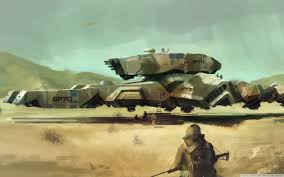
MILITARY SCI-FI - This is exactly what it sounds like. A military or war story set in space or in a futuristic science-fiction world. Hammer's Slammers, War of the Worlds, and Ender's Game are some popular examples.
SPACE OPERA - These are dramatic stories in which the setting of space is relatively unimportant to the story. The story could take place anywhere, anytime, and have basically the same impact on us. Academy 7 is a good recent example. A LOT of people will say the term "space opera" applies to the scope of the story, sort of making Space Opera the science fiction equivalent of Epic Fantasy. If this is your definition, then Star Wars and Star Trek go here. The emphasis in Space Opera will always be on characters and plots, with the setting being secondary (even if it is detailed and perfectly foreign to us.)

SPACE WESTERN - Sounds contradictory? But it really works. The most defining characteristic of the western is the Rogue Cowboy, yes? Put him in space and you have a Space Western. Shoot outs, bandits, anti-hero protagonists, intergalactic saloons. Han Solo was sort of a space cowboy, and Joss Whedon's Firefly is probably the most popular example of recent years.
Again, as with fantasy, it's impossible to define every science-fiction exactly and place them all neatly into these categories. Time travel and superheroes can overlap, or time travel and steampunk. Space opera could be overlapped with military sci-fi, and space westerns could easily be merged with cyberpunks.
What do you think? What did I miss? What did I get wrong? Do you read science-fiction? Do you write science fiction? What is your favorite kind?
This list, much like the Fantasy list, is not exhaustive, nor is it definitive. Many people will disagree with some of these definitions, and we welcome your comments and your feedback. I'll start with what is arguably the most popular and go from there (though the whole list is not ranked by popularity - I'd pull my hair out trying to figure that out).
Again, in case you missed, we have a visual representation of most of the major genres in fiction.

SUPERHEROES - Once relegated to nerds-only comic books, superheroes have evolved into what is probably the most popular version of science fiction in any medium. Superheroes are created in a multitude of ways: via scientific experiments (some deliberate, some gone awry), from outer space, through genetic mutation. Some come from fantasy elements (like being birthed from the gods), but since they all utilize pretty far-fetched technology, you can pretty easily put these all in science fiction. I don't know that I need to give examples, but X-Men, Superman, Wonder Woman, and The Avengers are all very popular examples.
APOCALYPTIC - These stories focus on the failing of society. I think post-apocalyptic stories are the more popular ones here, but stories taking place as the world falls apart are pretty consistently popular as well. Pandemic (The Andromeda Strain and a million different zombie novels), super ecological disasters (Ashfall, The Day After Tomorrow) or war can cause the fall of civilization. But apocalyptic stories all deal with how one character or group of characters survive the disaster. Post apocalyptic stories are about people surviving in the aftermath (I Am Legend is a good example of a pandemic that collapsed society, and one man is trying to survive in the aftermath).
DYSTOPIAN - Closely related to apocalyptic, and often set in post-apocalyptic settings, dystopian is defined by the political tone of the story. "Dystopia" is the opposite of "Utopia," meaning everything has gone wrong. These books feature heavy, oppressive governments, and usually center on a character or group of characters trying to overthrow the government. Dystopians have been popular for a very long time, even though the term itself is fairly new. Some of the most popular recent dystopians have been young adult novels - The Hunger Games, Divergent, Matched - but the genre was popular in adult fiction long before the post-Hunger-Games explosion - 1984, Brave New World, Fahrenheit 451, Clockwork Orange. Dystopians have been declared "overdone" in recent years, but can also be overlapped with other sub-genres (Delirium - biopunk, Enclave - apocalyptic, Atlas Shrugged - thriller) and even be divided further.
TIME TRAVEL - Sometimes it's via a time machine (Back to the Future, The Time Machine) and sometimes it's more of a preternatural ability (Tempest, Jumper, Pathfinder). Either way, these stories are usually classified as science fiction. Sometimes they function like a portal fantasy (The Time Machine) and sometimes they don't. There's obviously some overlap with fantasy (particularly urban fantasy) and historical fiction. Time travel is a sub-genre that I think every science fiction writer says, "Yeah, I'd like to try that," and then the execution turns out to be murderously difficult and most of us give up.
STEAMPUNK - Ah. The genre I am asked to define most often. The easiest definition is "robots + corsets = steampunk." And that's correct. But it's also a wildly overly simplified definition. Steampunk is set in a time before we had widespread access to electric technology. The world is then re-imagined as if steam had remained the power of choice and technology continued forward as such. Sometimes it is a wholly fantastical world, as in The Parasol Protectorate series (aka Soulless, et al) or The Infernal Devices (aka - Clockwork Angel, etc.) Sometimes it is an alternate history, based in true events or with true or could-be-true characters like Leviathan or Wild Wild West. Sometimes it's more subtle, like The Prestige. The setting can be European or American, though it is rarely other. (Somebody get on that, please)
Also, old science fictions are being reassigned to this sub-genre, too. Jules Verne wrote everything that we are basing today's steampunks on.
CYBERPUNK - This doesn't get labeled very often, but with the emergence of steampunk's popularity, people are starting to put labels on cyberpunk fiction. And cyberpunk fiction is incredibly popular, and has been since the invention of cybernetics. These stories are stories of cybernetics run amok. Think The Matrix, BladeRunner, Minority Report, and (I say) Ready Player One. The internet rules the world, and is often the government/institution that needs to be taken down or escaped.
-PUNKS - There are a number of "punk genres" out there, in addition to the two most popular already discussed. Dieselpunk is usually set after World War I using diesel as the main power source instead of steam (The Rocketeer, Sky Captain and the World of Tomorrow). Coalpunk and Atompunk are both proposed sub-genres, though there are not many stand-out mainstream examples of either. Biopunk is more common and deals with genetic manipulation and biotechnology (Gattaca, and - to a lesser degree - Maximum Ride: The Angel Experiment)
MILITARY SCI-FI - This is exactly what it sounds like. A military or war story set in space or in a futuristic science-fiction world. Hammer's Slammers, War of the Worlds, and Ender's Game are some popular examples.
SPACE OPERA - These are dramatic stories in which the setting of space is relatively unimportant to the story. The story could take place anywhere, anytime, and have basically the same impact on us. Academy 7 is a good recent example. A LOT of people will say the term "space opera" applies to the scope of the story, sort of making Space Opera the science fiction equivalent of Epic Fantasy. If this is your definition, then Star Wars and Star Trek go here. The emphasis in Space Opera will always be on characters and plots, with the setting being secondary (even if it is detailed and perfectly foreign to us.)
SPACE WESTERN - Sounds contradictory? But it really works. The most defining characteristic of the western is the Rogue Cowboy, yes? Put him in space and you have a Space Western. Shoot outs, bandits, anti-hero protagonists, intergalactic saloons. Han Solo was sort of a space cowboy, and Joss Whedon's Firefly is probably the most popular example of recent years.
Again, as with fantasy, it's impossible to define every science-fiction exactly and place them all neatly into these categories. Time travel and superheroes can overlap, or time travel and steampunk. Space opera could be overlapped with military sci-fi, and space westerns could easily be merged with cyberpunks.
What do you think? What did I miss? What did I get wrong? Do you read science-fiction? Do you write science fiction? What is your favorite kind?
Thursday, August 15, 2013
Defining Fantasy
In the Defining Genres post, I talked about how Fantasy is a super-genre. Think of it as a huge umbrella covering a whole lot of other sub-genres. Fantasy fans are very particular about their genres and sub-genres and you'll need to know what you're writing before you get started trying to market your book.
First, if you haven't seen it, I've got a pretty decent visual representation of most of the major genres out there.
HIGH FANTASY- This would probably be considered by most people (especially non-fantasy fans) to be the epitome of fantasy. The whole world has been created from scratch by the author. It is not our world, even if it looks an awful lot like Medieval Europe. Geography, culture, language, races, religion, dress, weaponry are all fictitiously created or mashed together for the purposes of the story. It's hard to find excellent, well-known examples of High Fantasy that are not Epic Fantasy. I say Graceling fits here, since it's a completely invented world, but focuses more on a plot-driven story with just a handful of dynamic characters. Similarly, The Princess Bride (though it is satire) could fit here, too (yes, Gilder and Florin are fake countries).

EPIC FANTASY - The distinction of "epic" refers to the scope of the story. Epic Fantasy is always High Fantasy, meaning it is in a fictional world and all elements of that world have been defined by the author. Epic Fantasy centers around a massive storyline, "Fates of Nations" and epic quests. The most well-known examples are also the most well-known examples of fantasy, period. Lord of the Rings, Sword of Truth, Shannara, Xanth, Narnia, Game of Thrones, The Belgariad.
PORTAL FANTASY - A character from our world is magically transported to another world via a portal of some kind. In Narnia it was the wardrobe (or the rings or just Aslan, depending on which story you're reading). In The Wizard of Oz it was a tornado. Doors, spells, gates, fairy companions, etc. If your character is from a mundane setting and gets transported to a fantastical world where magic is possible, you have portal fantasy. Lots of agents say this is overdone right now.
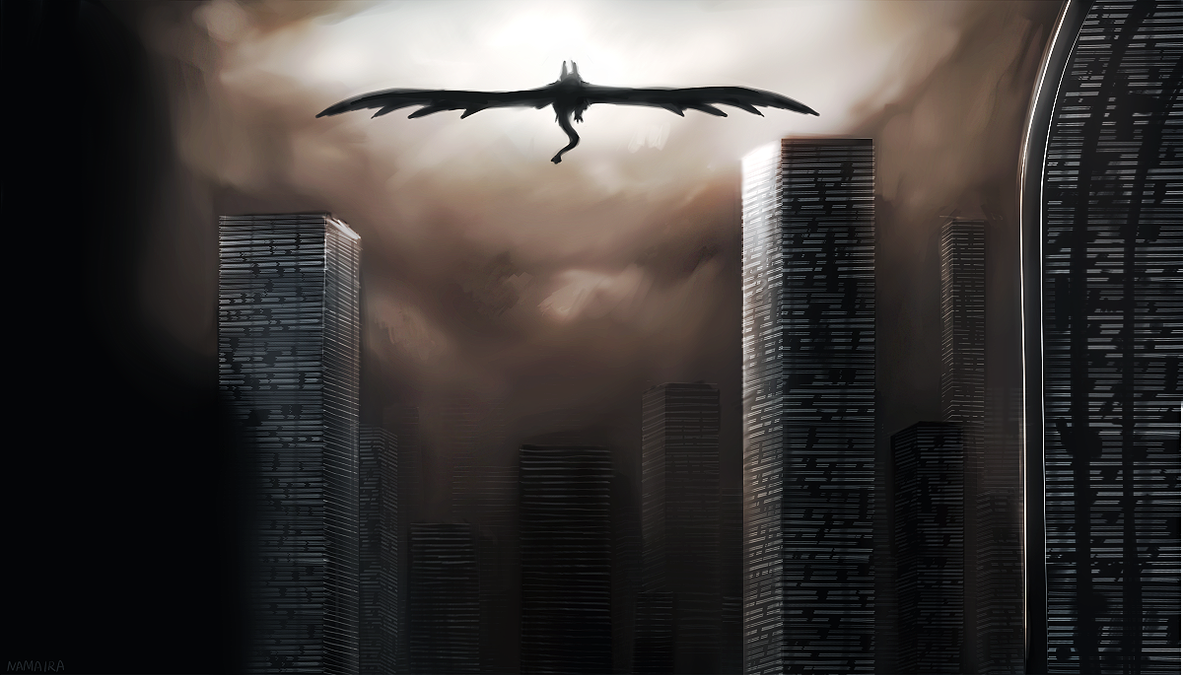
URBAN FANTASY - A fantasy that is set in our real world, often in a big city, though not always. Think magical elves in Central Park, fairies in Los Angeles, vampires in London. Portal fantasy will sometimes fit here, especially if the characters portal back and forth a fair amount. This sub-genre is very closely related to both magical realism and paranormal, differing from the first in scope and the second in character focus. Cassandra Clare's The Mortal Instruments series (and related series) would fit here. The Parasol Protectorate (Soulless), also fits here, though that's a steampunk story, too.
MAGICAL REALISM - This one is more of a contemporary, realistic story, in which magic plays a part. The world is so very much like ours, except for this one tiny piece of it. Often times religious stories will be recast with magic standing in for the power of deity, giving us magical realism. The most popular example I can think of for this sub-genre is actually a movie, not a book. Sandra Bullock and Nicole Kidman's movie Practical Magic is completely realistic and has both feet in our world, telling a fairly mundane story. Except they're witches. Similarly, Matilda would be another good example. Some people argue Harry Potter belongs here, other call it a portal fantasy and stick it up with Epic Fantasy.

PARANORMAL - There is not a huge difference between Urban Fantasy and Paranormal, it's more in the tone and the focus on character relationships. Urban Fantasy is written around the conflict, Paranormal is written around the interpersonal relationships and is more often than not a romance. The focus is usually on supernatural creatures, more so than magic. Twilight, How to Flirt with a Naked Werewolf, and Paranormalcy are popular examples of this sub-genre.

MYTHOLOGY - We don't write a lot of straight-up mythology these days, it's more like a reinterpretation of ancient mythology. But, still, we're relying on a magical, unknowable power to explain immortality and the powers of a handful of individuals to control the world. Percy Jackson is probably the most notable example.
LIGHT FANTASY - Some fantasy is not "hard" enough to be considered epic or high fantasy, but is too "other" to be described as contemporary
FAIRY TALES - A Fairy Tale relies on folklore or a "moral of the story" in order to tell the tale. We don't write a whole lot of these as original works anymore, they are usually in the form of retellings or reduxes. (is that how you pluralize that word???) In any case, we are taking existing fairy tales and twisting them around. In case you need examples: Cinderella, Snow White, The Goose Girl.
FAIRY TALE RETELLINGS - Keeps the original story but tells it in a slightly new way. Shannon Hale wrote some very popular versions of fairy tales in her Books of Bayern series.

FAIRY TALE REDUX - Takes the original story and mashes it up in some way. These have been very popular with the young adult set lately. Cinder, Twisted Tales
SCIENCE FANTASY - This is where science-fiction and fantasy collide. The focus is less on the science of the story/setting, and more of a "wouldn't it be neat if this was possible" and focuses on the story. Star Trek talks a lot about the science behind the story, how they got here, how they made that, developing new science, etc. Star Wars is a story that could be told anywhere, but it happens to be told in outer space. This is also where science fiction and fantasy mashups generally get placed, like Orson Scott Card's Pathfinder series, or The Lost Swords series. The stories feel like fantasy, but have a sci-fi setup or a sci-fi subplot.
Obviously it's impossible to define every single fantasy novel ever and put them all into neat little boxes. You can see Narnia popped up in two of my definitions here, and The Amber Chronicles are an excellent example of an epic fantasy that uses elements of portal fantasy and crosses into urban fantasy and science fantasy. There are arguments to be made the Cinda Williams Chima's Seven Realms series is high fantasy but not epic (though I say it qualifies as epic - four books, I'd guess around a half million words, fates of nations. That's epic, IMO)
What did I miss? What did I get wrong? Do you write fantasy? Do you read fantasy? What is your favorite kind?
First, if you haven't seen it, I've got a pretty decent visual representation of most of the major genres out there.
HIGH FANTASY- This would probably be considered by most people (especially non-fantasy fans) to be the epitome of fantasy. The whole world has been created from scratch by the author. It is not our world, even if it looks an awful lot like Medieval Europe. Geography, culture, language, races, religion, dress, weaponry are all fictitiously created or mashed together for the purposes of the story. It's hard to find excellent, well-known examples of High Fantasy that are not Epic Fantasy. I say Graceling fits here, since it's a completely invented world, but focuses more on a plot-driven story with just a handful of dynamic characters. Similarly, The Princess Bride (though it is satire) could fit here, too (yes, Gilder and Florin are fake countries).
EPIC FANTASY - The distinction of "epic" refers to the scope of the story. Epic Fantasy is always High Fantasy, meaning it is in a fictional world and all elements of that world have been defined by the author. Epic Fantasy centers around a massive storyline, "Fates of Nations" and epic quests. The most well-known examples are also the most well-known examples of fantasy, period. Lord of the Rings, Sword of Truth, Shannara, Xanth, Narnia, Game of Thrones, The Belgariad.
PORTAL FANTASY - A character from our world is magically transported to another world via a portal of some kind. In Narnia it was the wardrobe (or the rings or just Aslan, depending on which story you're reading). In The Wizard of Oz it was a tornado. Doors, spells, gates, fairy companions, etc. If your character is from a mundane setting and gets transported to a fantastical world where magic is possible, you have portal fantasy. Lots of agents say this is overdone right now.
URBAN FANTASY - A fantasy that is set in our real world, often in a big city, though not always. Think magical elves in Central Park, fairies in Los Angeles, vampires in London. Portal fantasy will sometimes fit here, especially if the characters portal back and forth a fair amount. This sub-genre is very closely related to both magical realism and paranormal, differing from the first in scope and the second in character focus. Cassandra Clare's The Mortal Instruments series (and related series) would fit here. The Parasol Protectorate (Soulless), also fits here, though that's a steampunk story, too.
MAGICAL REALISM - This one is more of a contemporary, realistic story, in which magic plays a part. The world is so very much like ours, except for this one tiny piece of it. Often times religious stories will be recast with magic standing in for the power of deity, giving us magical realism. The most popular example I can think of for this sub-genre is actually a movie, not a book. Sandra Bullock and Nicole Kidman's movie Practical Magic is completely realistic and has both feet in our world, telling a fairly mundane story. Except they're witches. Similarly, Matilda would be another good example. Some people argue Harry Potter belongs here, other call it a portal fantasy and stick it up with Epic Fantasy.
PARANORMAL - There is not a huge difference between Urban Fantasy and Paranormal, it's more in the tone and the focus on character relationships. Urban Fantasy is written around the conflict, Paranormal is written around the interpersonal relationships and is more often than not a romance. The focus is usually on supernatural creatures, more so than magic. Twilight, How to Flirt with a Naked Werewolf, and Paranormalcy are popular examples of this sub-genre.
MYTHOLOGY - We don't write a lot of straight-up mythology these days, it's more like a reinterpretation of ancient mythology. But, still, we're relying on a magical, unknowable power to explain immortality and the powers of a handful of individuals to control the world. Percy Jackson is probably the most notable example.
LIGHT FANTASY - Some fantasy is not "hard" enough to be considered epic or high fantasy, but is too "other" to be described as contemporary
FAIRY TALES - A Fairy Tale relies on folklore or a "moral of the story" in order to tell the tale. We don't write a whole lot of these as original works anymore, they are usually in the form of retellings or reduxes. (is that how you pluralize that word???) In any case, we are taking existing fairy tales and twisting them around. In case you need examples: Cinderella, Snow White, The Goose Girl.
FAIRY TALE RETELLINGS - Keeps the original story but tells it in a slightly new way. Shannon Hale wrote some very popular versions of fairy tales in her Books of Bayern series.

FAIRY TALE REDUX - Takes the original story and mashes it up in some way. These have been very popular with the young adult set lately. Cinder, Twisted Tales
SCIENCE FANTASY - This is where science-fiction and fantasy collide. The focus is less on the science of the story/setting, and more of a "wouldn't it be neat if this was possible" and focuses on the story. Star Trek talks a lot about the science behind the story, how they got here, how they made that, developing new science, etc. Star Wars is a story that could be told anywhere, but it happens to be told in outer space. This is also where science fiction and fantasy mashups generally get placed, like Orson Scott Card's Pathfinder series, or The Lost Swords series. The stories feel like fantasy, but have a sci-fi setup or a sci-fi subplot.
Obviously it's impossible to define every single fantasy novel ever and put them all into neat little boxes. You can see Narnia popped up in two of my definitions here, and The Amber Chronicles are an excellent example of an epic fantasy that uses elements of portal fantasy and crosses into urban fantasy and science fantasy. There are arguments to be made the Cinda Williams Chima's Seven Realms series is high fantasy but not epic (though I say it qualifies as epic - four books, I'd guess around a half million words, fates of nations. That's epic, IMO)
What did I miss? What did I get wrong? Do you write fantasy? Do you read fantasy? What is your favorite kind?
Wednesday, August 14, 2013
Defining Genres
One of the first things you're going to need to know when you start pitching your work is what genre it is. This is rarely cut-and-dry, and a lot of readers love genre-bending books. But the truth is, your book has to sit on a shelf somewhere, and that shelf will largely be determined by the genre. (Unless you're lucky enough to be labeled as a "bestseller" - then you go on the fancy shelf at the front of the store.)
First of all, if you want to know the difference between YA, MG, NA, Adult, and PB... you're in the wrong place. Those are categories and are discussed in another post. Once you figure that out, then come back here.
I was going to do a huge post on defining all genres, but that's proving to be impossible. So, this post will talk about what I call "super genres." Super genres are huge, broad, sweeping titles that each encompass a dozen or more smaller, more specific genres. You can click on each one to get a better idea of the sub-genres. Constructive discussion is welcome, please feel free to comment, if you feel you can do so nicely.
First, a diagram that I spent an inordinate amount of time on:

If you click on that, it should blow up pretty big for you to see. First, all the blue genres and sub-genres fall into a huge umbrella that we call "Speculative Fiction." Some people put horror in there, but I think that only qualifies as speculative sometimes. Now, we can move on to defining these so-called super-genres.

FANTASY - The single biggest component for you to consider is this: Is it possible? If not, is it being explained by magic? Then you have fantasy. Magic, the supernatural, paranormal, etc. Any amount of this and you are automatically in "fantasy" range. You might be "fantasy light," but fantasy nonetheless. Fantasy and Science-Fiction (and all their endless sub-genres) make up the giant bucket we call "Speculative Fiction."
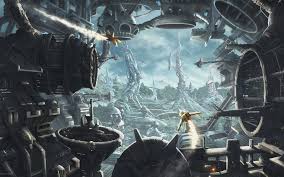
SCIENCE FICTION - This is anything that is possible, if science were to make it so. Where fantasy relies on magic for its impossibility, science fiction relies on science. A simple example: In Harry Potter, they apparate, that is to say, they magically transport themselves from one place to another. In Star Trek, they travel via a transporter. In other words, a scientific development occurred that allowed them to transport people across great distances instantaneously. Same action as Harry Potter, but it's a scientific explanation instead of a magical one.

CONTEMPORARY - This includes a lot of smaller genres and on its own doesn't really describe anything other than the timeframe for the setting. Contemporary means exactly what it sounds like. It is set in a time relatively close to the one in which it was written. A huge majority of fiction is contemporary. In fact, the next five super-genres are overwhelmingly (though not exclusively) contemporary.

MYSTERY - Someone did something bad, and the protagonist needs to figure it out. Usually the protagonist has very little (if anything) personally invested in the case, they are just the person hired/approached to figure the whole problem out. The reader knows no more than the sleuth, and puzzles the problem out alongside them.
THRILLER - Closely related to mystery, but this time the antagonist is often known, and the suspense comes from how the protagonist is going to escape/figure things out in time.
ROMANCE - They meet. They fall in love. The title of this super-genre is pretty obvious, even if it can be broken down into dozens of sub-genres.

LITERARY - This one is hard for me to define. I think the simplest way to define literary fiction is by what it's not. It's not any of the other super-genres (collectively referred to as "genre fiction"). It overlaps with other genres A LOT. Think of literary fiction as the stuff you read in Lit classes: the classics, heavy emphasis on prose and literary devices, little focus on complicated plots or settings.
UPMARKET - This is where literary fiction becomes approved by the masses. It's still high-minded, focusing on prose and literary devices, but it has a mass-market appeal. Often times "upmarket" is difficult to define until after it's taken off. This is the only super-genre I won't touch on in a separate post. Think The Help, Water for Elephants, Life of Pi, Memoirs of a Geisha. Anything that sounds like it should have been labeled as "literary fiction" (and probably was) but became a total, complete, breakthrough, international bestseller.
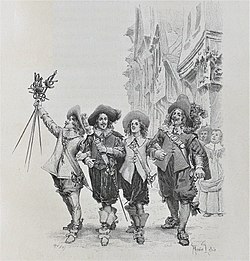
HISTORICAL - These are often based on real people and real events, though not always. Historical romance, in particular, focuses on mostly fictitious characters, though again, not always. Covers any fiction set in a time that is not contemporary. Historical fiction is usually set far enough back for most readers to view the time period with nostalgia, if not farther back so as to be outside the readers' lifetime. For example, I am writing this post in 2013. Writing a book set in 1995 would likely not get a "historical" label (it'd be a pretty hard sell, I'd imagine), but setting one in 1965 would. Obviously, the only limit on this is the dawn of human existence, so there's a lot of ground to cover.
In a post on queries and pitches, Evan Gregory - an agent at Ethan Ellenberg Literary - said,
"Have you written a YA Horror Romance Women’s Fiction Thriller? No, you haven’t, because that’s impossible. In these post-modern times it’s also kind of impossible to write a story that doesn’t have a teensy bit of genre bleed. Genre can be difficult to pin down sometimes, and some books skirt the edges of several genres. For the sake of description, however, you ought to pick one genre and stick with it. That means doing research into other comparable works to yours, and trying to pin down which genre they are sold as. It also means identifying which readers you think would be most likely to read your book, and choosing the genre you think they might most identify with. It also means evaluating which elements of your story are most prevalent. If your book is 90% horror with a love story sub-plot, it is not a Romance/Horror (nor is there such a thing), it’s just Horror."
And that's the purpose of this post. Not to get you down or put you in a narrowly-defined box, but to help you pin down the genre that most represents your work so you can successfully pitch and sell your book.
First of all, if you want to know the difference between YA, MG, NA, Adult, and PB... you're in the wrong place. Those are categories and are discussed in another post. Once you figure that out, then come back here.
I was going to do a huge post on defining all genres, but that's proving to be impossible. So, this post will talk about what I call "super genres." Super genres are huge, broad, sweeping titles that each encompass a dozen or more smaller, more specific genres. You can click on each one to get a better idea of the sub-genres. Constructive discussion is welcome, please feel free to comment, if you feel you can do so nicely.
First, a diagram that I spent an inordinate amount of time on:

If you click on that, it should blow up pretty big for you to see. First, all the blue genres and sub-genres fall into a huge umbrella that we call "Speculative Fiction." Some people put horror in there, but I think that only qualifies as speculative sometimes. Now, we can move on to defining these so-called super-genres.
FANTASY - The single biggest component for you to consider is this: Is it possible? If not, is it being explained by magic? Then you have fantasy. Magic, the supernatural, paranormal, etc. Any amount of this and you are automatically in "fantasy" range. You might be "fantasy light," but fantasy nonetheless. Fantasy and Science-Fiction (and all their endless sub-genres) make up the giant bucket we call "Speculative Fiction."
SCIENCE FICTION - This is anything that is possible, if science were to make it so. Where fantasy relies on magic for its impossibility, science fiction relies on science. A simple example: In Harry Potter, they apparate, that is to say, they magically transport themselves from one place to another. In Star Trek, they travel via a transporter. In other words, a scientific development occurred that allowed them to transport people across great distances instantaneously. Same action as Harry Potter, but it's a scientific explanation instead of a magical one.
CONTEMPORARY - This includes a lot of smaller genres and on its own doesn't really describe anything other than the timeframe for the setting. Contemporary means exactly what it sounds like. It is set in a time relatively close to the one in which it was written. A huge majority of fiction is contemporary. In fact, the next five super-genres are overwhelmingly (though not exclusively) contemporary.
MYSTERY - Someone did something bad, and the protagonist needs to figure it out. Usually the protagonist has very little (if anything) personally invested in the case, they are just the person hired/approached to figure the whole problem out. The reader knows no more than the sleuth, and puzzles the problem out alongside them.
THRILLER - Closely related to mystery, but this time the antagonist is often known, and the suspense comes from how the protagonist is going to escape/figure things out in time.
ROMANCE - They meet. They fall in love. The title of this super-genre is pretty obvious, even if it can be broken down into dozens of sub-genres.
LITERARY - This one is hard for me to define. I think the simplest way to define literary fiction is by what it's not. It's not any of the other super-genres (collectively referred to as "genre fiction"). It overlaps with other genres A LOT. Think of literary fiction as the stuff you read in Lit classes: the classics, heavy emphasis on prose and literary devices, little focus on complicated plots or settings.
UPMARKET - This is where literary fiction becomes approved by the masses. It's still high-minded, focusing on prose and literary devices, but it has a mass-market appeal. Often times "upmarket" is difficult to define until after it's taken off. This is the only super-genre I won't touch on in a separate post. Think The Help, Water for Elephants, Life of Pi, Memoirs of a Geisha. Anything that sounds like it should have been labeled as "literary fiction" (and probably was) but became a total, complete, breakthrough, international bestseller.
HISTORICAL - These are often based on real people and real events, though not always. Historical romance, in particular, focuses on mostly fictitious characters, though again, not always. Covers any fiction set in a time that is not contemporary. Historical fiction is usually set far enough back for most readers to view the time period with nostalgia, if not farther back so as to be outside the readers' lifetime. For example, I am writing this post in 2013. Writing a book set in 1995 would likely not get a "historical" label (it'd be a pretty hard sell, I'd imagine), but setting one in 1965 would. Obviously, the only limit on this is the dawn of human existence, so there's a lot of ground to cover.
In a post on queries and pitches, Evan Gregory - an agent at Ethan Ellenberg Literary - said,
"Have you written a YA Horror Romance Women’s Fiction Thriller? No, you haven’t, because that’s impossible. In these post-modern times it’s also kind of impossible to write a story that doesn’t have a teensy bit of genre bleed. Genre can be difficult to pin down sometimes, and some books skirt the edges of several genres. For the sake of description, however, you ought to pick one genre and stick with it. That means doing research into other comparable works to yours, and trying to pin down which genre they are sold as. It also means identifying which readers you think would be most likely to read your book, and choosing the genre you think they might most identify with. It also means evaluating which elements of your story are most prevalent. If your book is 90% horror with a love story sub-plot, it is not a Romance/Horror (nor is there such a thing), it’s just Horror."
And that's the purpose of this post. Not to get you down or put you in a narrowly-defined box, but to help you pin down the genre that most represents your work so you can successfully pitch and sell your book.
Subscribe to:
Posts (Atom)